
The Financial Advantages Of Well-Informed Move Planning

The Financial Advantages Of Well-Informed Move Planning

Moving a house or place of business entails more than just moving possessions. The total moving budget may be impacted by every step of the procedure, from packing and transportation to setting up utilities and storage. Unexpected costs may rapidly raise the total cost when relocation choices are made at the last minute. Individuals and corporations may better manage their finances by organising resources, comparing services, and avoiding wasteful expenditure when they plan ahead. Relocating may be made easier with a well-planned moving timetable that shields the budget from avoidable costs. Improved Chances To Evaluate Moving Expenses Having enough time to investigate moving providers and compare quotes is one of the largest cost benefits of early preparation. The distance, amount of possessions, property accessibility, and extra services needed may all affect relocation prices. Making a reservation without weighing your alternatives might lead to overspending. Customers may seek comprehensive estimates and comprehend the scope of each service by being prepared in advance. Experienced warehouse removalists may also be consulted by businesses contemplating bigger relocations to evaluate logistical plans, equipment handling, and transportation needs. Comparing quotes lessens the chance of unforeseen fees while assisting in the identification of appropriate services. There should be more considerations when choosing a moving company than just finding the best price. It is easier to make sure that the selected solution provides suitable value when one is aware of service inclusions, insurance agreements, and any extra costs. Cutting Costs With Well-Organised Packing When estimating relocation costs, packing is sometimes overlooked. Costs may rise when boxes, tape, protective materials, and other supplies are purchased at the last minute, especially when large quantities are needed. In addition to causing extra replacement or repair costs, hurried packing may result in damaged possessions. Planning ahead gives you time to gather appropriate packing supplies, arrange belongings, and identify what needs extra security. Before moving day, households may lessen their effort by progressively packing items that are not required every day. Effective inventory management is another benefit of well-organised packaging for firms. Unloading and unpacking are made simpler by well-labelled boxes and carefully documented equipment, which may result in less labour being needed following transfer. A more predictable shifting budget may result from this planning. Preventing Extra Labour And Transportation Fees Labour and transportation costs can account for a sizable amount of relocation costs. When movers face unforeseen challenges, lengthy loading periods, or improperly packed possessions, poor planning may raise these expenses. Customers may convey precise needs to their moving firm and anticipate the number of things being moved by preparing ahead. This data aids in determining appropriate personnel requirements, vehicle capacity, and scheduling. Unnecessary delays may also be avoided by setting up access routes, making parking spot reservations as needed, and verifying building requirements. There is less chance of extra fees related to prolonged loading or unloading times when moving crews are able to operate effectively. Reducing Relocation-Related Business Downtime Financial factors other than transportation costs are introduced by commercial relocations. When moving furniture, equipment, inventory, and critical systems, businesses may encounter disruptions to regular operations. These disruptions may have an impact on revenue and productivity if they are not carefully coordinated. Business owners may determine operational priorities and organise moving operations around crucial working hours by creating a relocation timetable ahead of time. Employees are given clear instructions on their duties, and departments may prepare equipment in a methodical manner. Coordinating inventory movement is especially crucial for commercial buildings and warehouses. Companies should think about stock accessibility, storage needs, and the order in which critical equipment will be moved. Good preparation facilitates a quicker return to regular operations and minimises operational disturbance. Conclusion There are financial advantages to planning a move far in advance that go beyond just hiring a moving company. Early planning offers possibilities to reduce costs throughout the process, from comparing quotes and arranging packing supplies to cutting down on transportation delays and minimising work disruptions. Households and organisations may reduce avoidable expenses by using an organised approach, a clear timetable, and a realistic budget. Relocation becomes more predictable, effective, and financially manageable when possible obstacles are resolved prior to moving day. OliverOliver is a passionate writer and blogger, primarily focusing on business growth and management. With a keen interest in exploring the dynamics of entrepreneurship, Oliver delves into topics ranging from innovative strategies to leadership insights. Alongside his professional pursuits, he nurtures a love for travel, especially in search of culinary adventures. Through his writing, Mark aims to inspire and inform readers, sharing valuable insights into the worlds of business and gastronomy. www.bhumi-jankari.com

Keeping Pace With Industry Changes Through Realtor Continuing Education

Realtor Continuing Education

The real estate industry never stays the same for long. Market conditions shift, technology introduces new ways of doing business, and regulations continue to evolve. For real estate professionals, staying informed about these developments is essential for maintaining credibility and providing reliable services to clients. Experience alone may not be enough to navigate an industry where expectations and professional responsibilities constantly change. This is where realtor continuing education becomes valuable. By regularly updating their knowledge and developing relevant skills, real estate professionals can adapt to industry changes, strengthen their expertise, and remain competitive in an increasingly demanding market. The Importance of Continuing Education in Real Estate Real estate professionals are able to expand their industry knowledge and maintain their licenses through the use of continuing education. Many states require licensed agents and brokers to complete approved educational courses within specific renewal periods. Ethical obligations, contracts, agency relationships, property transaction procedures, and real estate laws are typically addressed in these programs. They may also address emerging trends that influence how professionals conduct business. In addition to satisfying licensing obligations, continuing education motivates professionals to assess their current practices and pinpoint areas for enhancement. This ongoing learning process can help agents make informed decisions and provide better guidance throughout property transactions. Adapting to Changing Real Estate Regulations Real estate regulations are intended to safeguard consumers, establish professional standards, and encourage transparency in property transactions. However, these regulations can change as governments respond to new market conditions and industry concerns. Professionals must stay informed about updates involving disclosure requirements, fair housing laws, advertising practices, contracts, and licensing responsibilities. Failing to understand applicable regulations can lead to compliance problems and damage professional relationships. Realtor continuing education provides opportunities to review these legal responsibilities and understand how regulatory changes may affect everyday business activities. By developing stronger knowledge of current requirements, agents can reduce avoidable mistakes while helping clients navigate transactions with greater confidence. Keeping Up With Technology in Real Estate Technology has significantly influenced how properties are marketed, evaluated, and sold. Digital listing platforms, virtual property tours, electronic signatures, and customer relationship management systems have become important tools for many real estate professionals. Artificial intelligence is also creating opportunities to streamline administrative work, analyze market information, and improve communication. However, using these technologies effectively requires an understanding of their capabilities, limitations, and potential risks. Continuing education can introduce professionals to relevant digital tools and explain how they fit into modern real estate operations. Learning about technology also helps agents recognize the importance of data privacy, accurate property information, and responsible communication when using digital platforms. Professionals who actively develop their technological skills may find it easier to improve efficiency and respond to changing client expectations. Strengthening Client Communication and Professional Ethics Successful real estate transactions depend heavily on trust, transparency, and effective communication. Real estate professionals frequently provide buyers and sellers with information and guidance that facilitates the formulation of substantial financial decisions. Continuing education helps reinforce ethical responsibilities and professional conduct. Courses addressing agency relationships, disclosure obligations, fair housing principles, and conflict resolution can strengthen an agent’s ability to manage challenging situations. Communication skills are equally important. Professionals must explain complicated transaction details clearly, respond to client concerns, and manage expectations throughout the buying or selling process. By combining ethical awareness with practical communication strategies, agents can build stronger professional relationships and deliver a more dependable client experience. Understanding Market Trends and Consumer Expectations Modern buyers and sellers often research properties, financing options, and neighborhood conditions before contacting a real estate professional. As a result, agents must offer meaningful expertise beyond information that clients can easily access online. Continuing education can help professionals understand market analysis, pricing considerations, financing developments, and changing consumer preferences. For example, growing interest in energy efficiency, property maintenance costs, and flexible living arrangements may influence purchasing decisions in certain markets. Agents who understand these considerations can have more productive conversations with clients and provide guidance that reflects current market realities. Additionally, agents are motivated to identify emergent opportunities and modify their business strategies accordingly through consistent professional development. Choosing Continuing Education That Supports Career Growth Not every educational course provides the same professional value. Real estate professionals should select programs that satisfy applicable licensing requirements while supporting their individual career objectives. Some agents may benefit from additional training in contracts and negotiations, while others may prefer courses covering property management, technology, or investment principles. Online continuing education offers flexibility for professionals balancing coursework with client appointments and transaction responsibilities. Depending on the program, learners may complete lessons according to their schedules without significantly interrupting daily business activities. Before enrolling, agents should verify course approval, educational content, and credit eligibility with the appropriate licensing authority. Choosing relevant courses makes continuing education a practical investment in professional development rather than simply another requirement to complete. Conclusion Keeping pace with industry changes requires more than professional experience. Real estate agents must continuously develop their knowledge to understand evolving regulations, technological advancements, and changing consumer expectations. Realtor continuing education supports this process by combining licensing compliance with opportunities for meaningful professional growth. By making learning a regular part of their careers, real estate professionals can strengthen their skills, maintain credibility, and prepare for future industry developments while delivering knowledgeable and responsible service to their clients. OliverOliver is a passionate writer and blogger, primarily focusing on business growth and management. With a keen interest in exploring the dynamics of entrepreneurship, Oliver delves into topics ranging from innovative strategies to leadership insights. Alongside his professional pursuits, he nurtures a love for travel, especially in search of culinary adventures. Through his writing, Mark aims to inspire and inform readers, sharing valuable insights into the worlds of business and gastronomy. www.bhumi-jankari.com

Getting Forestry Companies Ready For Larger Projects With The Correct Tools

Getting Forestry Companies Ready For Larger Projects With The Correct Tools

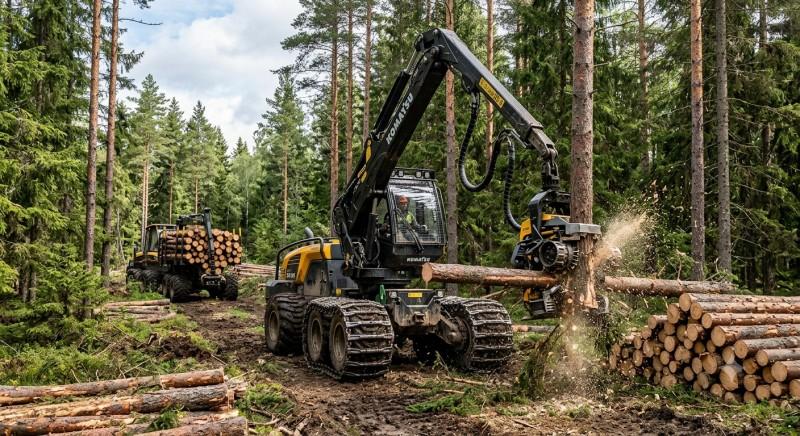
The forestry sector is crucial for sustaining natural resources, delivering raw materials, and assisting with land management. Forestry companies must be ready to take on bigger and more complicated projects as demand for wood, land clearing, and forest care services rises. It takes more than just recruiting more employees or taking on larger contracts to expand operations. It entails making investments in dependable equipment, enhancing operational effectiveness, and creating long-term growth-promoting plans. Businesses may get machinery appropriate for harsh regions by collaborating with a seasoned forestry equipment supplier. The proper equipment enables forestry businesses to navigate difficult terrain, boost production, and finish projects while upholding safety and quality requirements, from material handling to wood harvesting. Recognizing The Equipment Requirements For Bigger Forestry Projects Depending on the geography, vegetation density, weather, and project objectives, each forestry project has unique operating obstacles. While bigger projects sometimes need specialized equipment that can effectively handle many jobs, smaller operations could depend on simpler apparatus. Before taking on bigger contracts, forestry companies should assess their current equipment. Important factors to take into account include equipment capacity, operational hours, maintenance history, and anticipated workload. When handling larger materials or consistently running across large regions, machines that work effectively on smaller sites may have trouble. Early detection of these constraints enables companies to make well-informed equipment purchases and prevent unforeseen disruptions during crucial project phases. Purchasing Equipment To Promote Increased Productivity As forestry operations grow, productivity becomes more crucial. Greater material quantities, longer operational hours, and more stringent deadlines are all part of larger projects. Businesses may ensure constant performance by using equipment built for demanding tasks. Harvesters, forwarders, skidders, loaders, and excavators are examples of equipment that supports various forestry operation phases. While forwarders move logs between forest locations, harvesters help chop and process trees. Loaders make material handling easier, while skidders transport harvested wood toward collection areas. Reducing needless movement and increasing workflow efficiency may be achieved by choosing equipment with appropriate power, lifting capacity, and operational characteristics. Instead of buying machinery based just on size or horsepower, businesses should give priority to equipment that meets their real project needs. Handling Difficult Terrain And Operational Conditions Forestry activities sometimes occur in settings that may be difficult for traditional construction equipment to operate in. Difficulties that call for specialist equipment include uneven terrain, steep slopes, muddy surfaces, and thick vegetation. Forestry-specific machinery often has traction systems that are appropriate for challenging terrain, protection structures, and strengthened parts. These characteristics may lessen equipment damage during strenuous activities and increase operational stability. Businesses should evaluate soil conditions, environmental constraints, and site accessibility before starting a large project. Selecting equipment that can withstand these circumstances promotes safer operations and lessens the possibility of expensive delays. Maintaining Equipment To Cut Down On Downtime Large forestry operations may be severely impacted by unplanned equipment failures. Failures of equipment may cause delays in shipping, disrupt wood harvesting, and raise operational costs. Therefore, preventive maintenance is crucial for companies getting ready to grow. Potential issues may be found before they become severe with the use of routine inspections, hydraulic system checks, lubrication, filter replacement, and undercarriage maintenance. Access to replacement parts, technical advice, and equipment service resources may also be obtained by collaborating with a reputable forestry equipment supplier. Businesses can sustain production and keep equipment running throughout challenging projects with the aid of dependable maintenance support. Enhancing Equipment Handling And Workforce Safety Maintaining job safety is harder when forestry operations get bigger. Hazards that need to be carefully managed include heavy equipment, fallen trees, shifting lumber, and challenging terrain. Companies should make sure operators are aware of the limits of the machinery, emergency protocols, and safe work practices by offering equipment-specific training. Enhanced operator visibility, protected cabins, monitoring systems, and ergonomic controls are examples of modern forestry equipment. Modern equipment, however, cannot take the place of adequate supervision and training. Reducing operating risks and fostering a more self-assured staff are two benefits of combining appropriate equipment with proven safety protocols. Making Long-Term Growth Plans For Equipment Investments Careful financial planning is necessary when expanding forestry businesses. Since buying equipment is a significant investment, it’s essential to consider possible returns, operating costs, maintenance costs, and anticipated usage. Based on project frequency and financial resources, businesses should evaluate their alternatives for buying, leasing, and renting. While renting specialized gear might provide flexibility for sporadic tasks, purchasing equipment can be more appropriate for businesses with steady workloads. Businesses may examine existing gear and find solutions that support both current contracts and future growth with the assistance of a reputable forestry equipment supplier. Conclusion Larger forestry operations need a mix of dependable equipment, knowledgeable workers, efficient maintenance, and careful budgetary planning. Companies are better equipped to manage high workloads and shifting project requirements when they assess their equipment needs before growing. Purchasing appropriate forestry equipment increases productivity, promotes worker safety, and opens doors for long-term company expansion. Forestry firms may easily take on larger projects while maintaining productivity and service quality if they have the appropriate machinery and reliable equipment support. OliverOliver is a passionate writer and blogger, primarily focusing on business growth and management. With a keen interest in exploring the dynamics of entrepreneurship, Oliver delves into topics ranging from innovative strategies to leadership insights. Alongside his professional pursuits, he nurtures a love for travel, especially in search of culinary adventures. Through his writing, Mark aims to inspire and inform readers, sharing valuable insights into the worlds of business and gastronomy. www.bhumi-jankari.com
Beyond Traditional Dating Apps: New Ways Adults Are Connecting

Beyond Traditional Dating Apps: New Ways Adults Are Connecting

Online dating has evolved a great deal in the last 10 years. Used to be that the only way to do it was to make a CV, check through probable matches, and hope for a meaningful talk. Now there are a lot more alternatives. Adults nowadays are using technology to discover anything from long-term partnerships and friends to casual hookups and fast local connections. This is part of a broader trend in the way individuals are living their daily lives. Newer dating services make it easier to be explicit about what you’re looking for, so you don’t have to assume everyone on them is looking for the same thing. If you’re an adult looking for new methods to meet people, read more here to discover. This is because online dating services are continually evolving to cater to varied preferences, locations, and relationship objectives. Dating Is Becoming More Intentional In a typical dating app, you’ll normally find that millions of users are all lumped together into the same broad matching algorithm. Different individuals may have different aims. Some may merely want to meet someone for dinner; others may seek a casual relationship. This discrepancy in expectation might cause misunderstanding. Increasingly, emerging platforms are attempting to make it simpler for consumers to articulate what they want earlier in the process. Adults don’t have to treat every match as the start of a long-term relationship. But they may seek people who have criteria comparable to their own. When both individuals are clear on what they want, things may go more easily. It also lets both persons see whether they are alright to go ahead before investing a lot of time in the contact. Location Is Playing a Bigger Role Another factor that sticks out is the increasing importance of location-based discovery. Sometimes adults don’t want to spend weeks talking to someone hundreds of miles away. Dating sites that stress strong connection may make online dating seem more genuine. Location-based capabilities help users locate adults in their city or the surrounding region. It could be simpler to go from online chatting to face-to-face. But privacy and convenience should be balanced. People who have just met someone online should not give out their actual home locations, employment, or other personal details. Interest Based Communities Are Creating Connections Not every relationship begins on a dating app nowadays. Hobby communities frequently bring together folks with similar interests. With the help of social networks, fitness groups, travel forums, hobby clubs, and professional communities, people who have something in common may meet each other. Having something in common makes it simpler to start chatting with a stranger, and makes the conversation more natural. Also, these communities indicate that partnerships nowadays do not have to first have a romantic goal. Two individuals meeting via a shared interest might find themselves drawn to each other, and a friendship could grow into something more. Casual Dating Has Become More Visible Casual dating isn’t a new idea, but technology has made it simple for individuals to discuss it openly. Some folks aren’t in a position to be married or be in a typical committed relationship right now. They may want to date, be friends, have connections that don’t result in long-term commitments. Platforms designed with certain purposes in mind might make it simpler for people who want to do so to locate others who desire the same things. Open communication is still extremely important. Discussing boundaries, sexual health, privacy, and standards can help clear up any misconceptions and help everyone make informed decisions. Video Is Changing the First Meeting Video chats are also handy to use between chatting and meeting in person. A quick video chat lets individuals find out whether they can communicate with each other easily before arranging a real-life date. It might also be another opportunity to ensure the individual looks like the information on their profile. Video does not get rid of the hazards of meeting new people, but it may make the process more entertaining. Safety Still Matters There is no technology that can fully verify what another person is attempting to achieve. Whatever way individuals interact, basic safety precautions are always vital. First meetings are usually safer in public locations with other individuals. And, for your own protection, notify someone you trust about the meeting, have your own vehicle, keep your financial information private, and don’t give out personal information that’s not needed. Instead of relying just on personal information, users should take into account others’ behavior. If someone is pushing you to move too rapidly, begging for money, offering conflicting personal tales, or not respecting your limits, you may want to think again about engaging with them. A More Flexible Future for Dating Maybe the greatest shift in dating nowadays is not a technology at all. Individuals are becoming more conscious that they might have quite varied requirements around friends and relationships. Traditional dating applications will still come in handy, particularly for folks who wish to find a relationship in the old-fashioned manner. Location-based platforms, interest groups, video chats, and intention-based services are creating new opportunities. At the end of the day, partnerships have to concentrate on the basics that people already know. Technology may unite two people, but what occurs after that relies on how effectively they communicate, respect, consent, have reasonable expectations, and feel secure. As the Internet dating scene continues to improve, individuals have more alternatives than ever to locate matches who are a better fit for what they desire. OliverOliver is a passionate writer and blogger, primarily focusing on business growth and management. With a keen interest in exploring the dynamics of entrepreneurship, Oliver delves into topics ranging from innovative strategies to leadership insights. Alongside his professional pursuits, he nurtures a love for travel, especially in search of culinary adventures. Through his writing, Mark aims to inspire and inform readers, sharing valuable insights into the worlds of business and gastronomy. www.bhumi-jankari.com
Better Airflow, Fresh Air: The Function Of Axial Flow Fans In Industry

Better Airflow, Fresh Air: The Function Of Axial Flow Fans In Industry

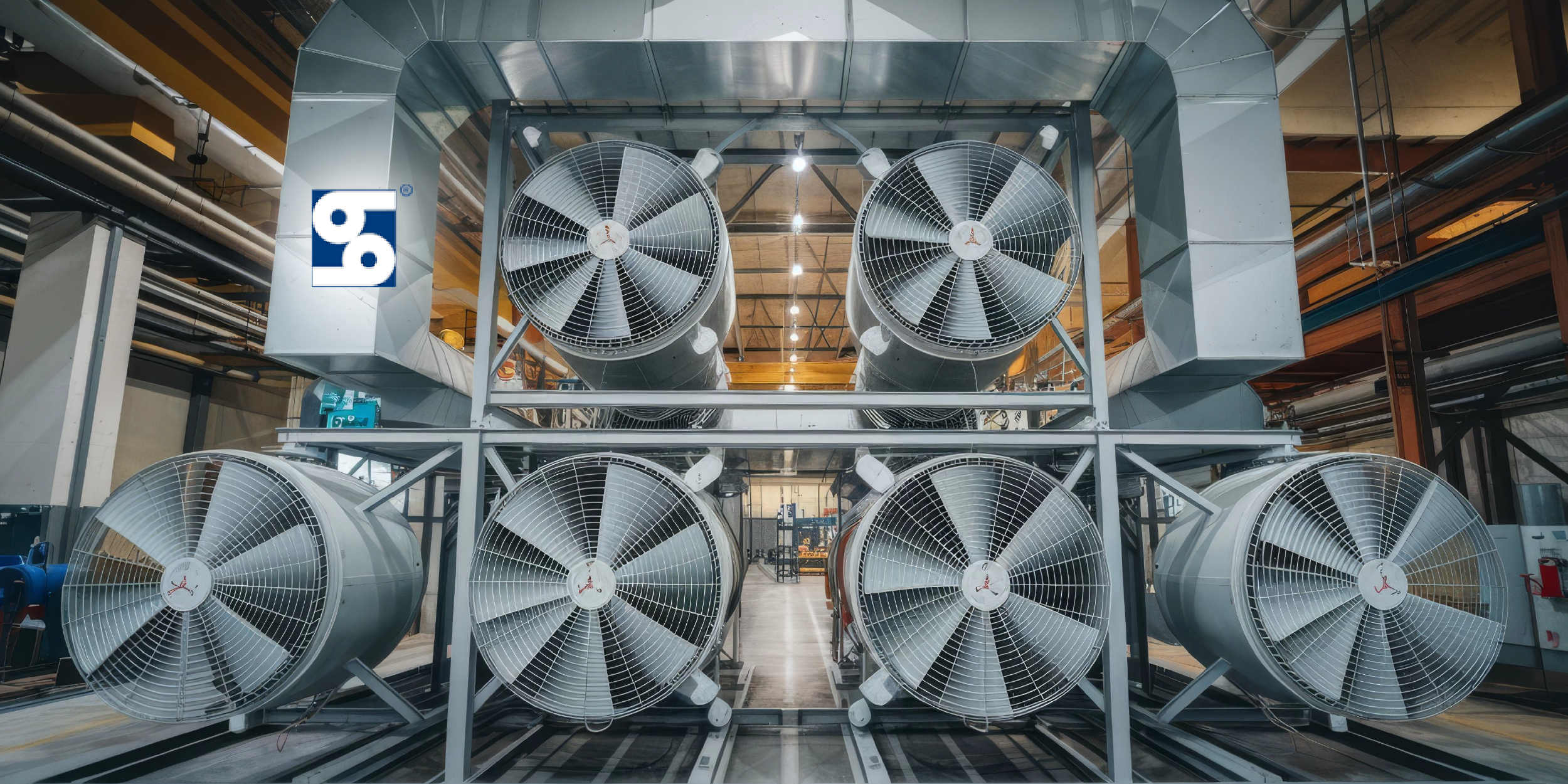
In order to provide pleasant and productive industrial workplaces, it is crucial to maintain efficient airflow. Heat, odours, dust, and stale air may rapidly build up in factories, warehouses, workshops, processing facilities, and other business locations. These circumstances might have an impact on worker comfort, equipment performance, and the general working environment if there is insufficient ventilation. The purpose of industrial ventilation systems is to maintain air movement and provide regular air exchange. The axial flow fan is one piece of equipment that is often used for this purpose and offers a useful way to move large amounts of air across industrial facilities. It is appropriate for a variety of ventilation and extraction applications due to its simple working concept. Comprehending Axial Airflow Air is typically moved by axial fans in a direction parallel to the fan’s revolving shaft. Air is drawn from one side and forced through to the other by the rotating blades. When a lot of air has to be evacuated or circulated, this continuous directed airflow might be helpful. Axial designs are especially well-suited for applications requiring large volume airflow with relatively little resistance, in contrast to ventilation equipment designed to generate very high pressure. They might be integrated into walls, ducts, equipment, ventilation systems, or specific extraction settings, depending on the installation. Encouragement Of Fresh Air Exchange Enclosed spaces with restricted natural ventilation are common in industrial structures. While industrial procedures may introduce odours, fumes, dampness, or airborne pollutants, machinery may produce heat throughout a working shift. Fresher air may circulate throughout the building while heated or stale air can be removed with the aid of an axial flow fan. Large industrial facilities may seem less stagnant and provide a more tolerable work environment with efficient air exchange. Installing a fan alone is not enough to make any ventilation system functional. When designing ventilation, its location, airflow capacity, building layout, and the nature of the job being done should all be taken into account. Controlling Heat In Industrial Environments In buildings with motors, industrial machinery, electrical equipment, or heat-producing activities, heat may become a serious problem. Temperatures may rise to unpleasant levels when warm air is trapped within a structure. This stored heated air may be moved away from equipment and work areas with the use of axial fans. By promoting steady air circulation, they may also assist more comprehensive cooling techniques. Planned ventilation aids in more efficient air distribution and replacement by preventing pockets of heated air from remaining in certain locations. In big workshops and warehouses, where traditional comfort cooling may not always be the best option for the whole structure, this strategy can be quite helpful. Adaptability In A Variety Of Industrial Settings The flexibility of axial fan technology is one of its benefits. For general ventilation, exhaust applications, equipment cooling, and process-related airflow, many designs and sizes may be used. They may be used by manufacturing facilities to facilitate air exchange in the vicinity of industrial areas. Large storage areas in warehouses may be made less stagnant by using ventilation. Extraction may be necessary in workshops near places that produce heat, fumes, or odours. Reliable air circulation may also be advantageous in agricultural and industrial operations where environmental conditions need constant control. Because airflow needs might differ significantly across facilities, it is crucial to choose equipment based on the particular application. Selecting The Appropriate Equipment The requirements of the operational environment should be taken into consideration while choosing industrial ventilation equipment. The decision may be influenced by a number of factors, including the amount of airflow needed, the amount of space available for installation, the layout of the ducts, the operating temperature, noise concerns, and exposure to moisture or dust. In demanding jobs, durability is especially important. Regularly used equipment in industrial settings must be suitable for the circumstances in which it is anticipated to operate. Over time, consistent performance may be further supported by proper installation and regular maintenance. Therefore, selecting the right axial flow fan involves more than just locating an air-moving fan. It entails adapting design and airflow characteristics to the particular ventilation problem. Improving Industrial Airflow An essential component of industrial facility design is adequate ventilation. Axial fans may promote more pleasant and productive workplaces by eliminating stale air, promoting fresh air exchange, and assisting in the management of collected heat. Axial fans provide an effective method for large-volume airflow in a variety of industrial situations when properly chosen and positioned. Effective airflow helps create an atmosphere where people, processes, and equipment can function better, from bustling production floors to warehouses and workshops. OliverOliver is a passionate writer and blogger, primarily focusing on business growth and management. With a keen interest in exploring the dynamics of entrepreneurship, Oliver delves into topics ranging from innovative strategies to leadership insights. Alongside his professional pursuits, he nurtures a love for travel, especially in search of culinary adventures. Through his writing, Mark aims to inspire and inform readers, sharing valuable insights into the worlds of business and gastronomy. www.bhumi-jankari.com

Ground Clearing To Trenching: Excavator Uses Across Fredericksburg Jobsites

Fredericksburg Jobsites

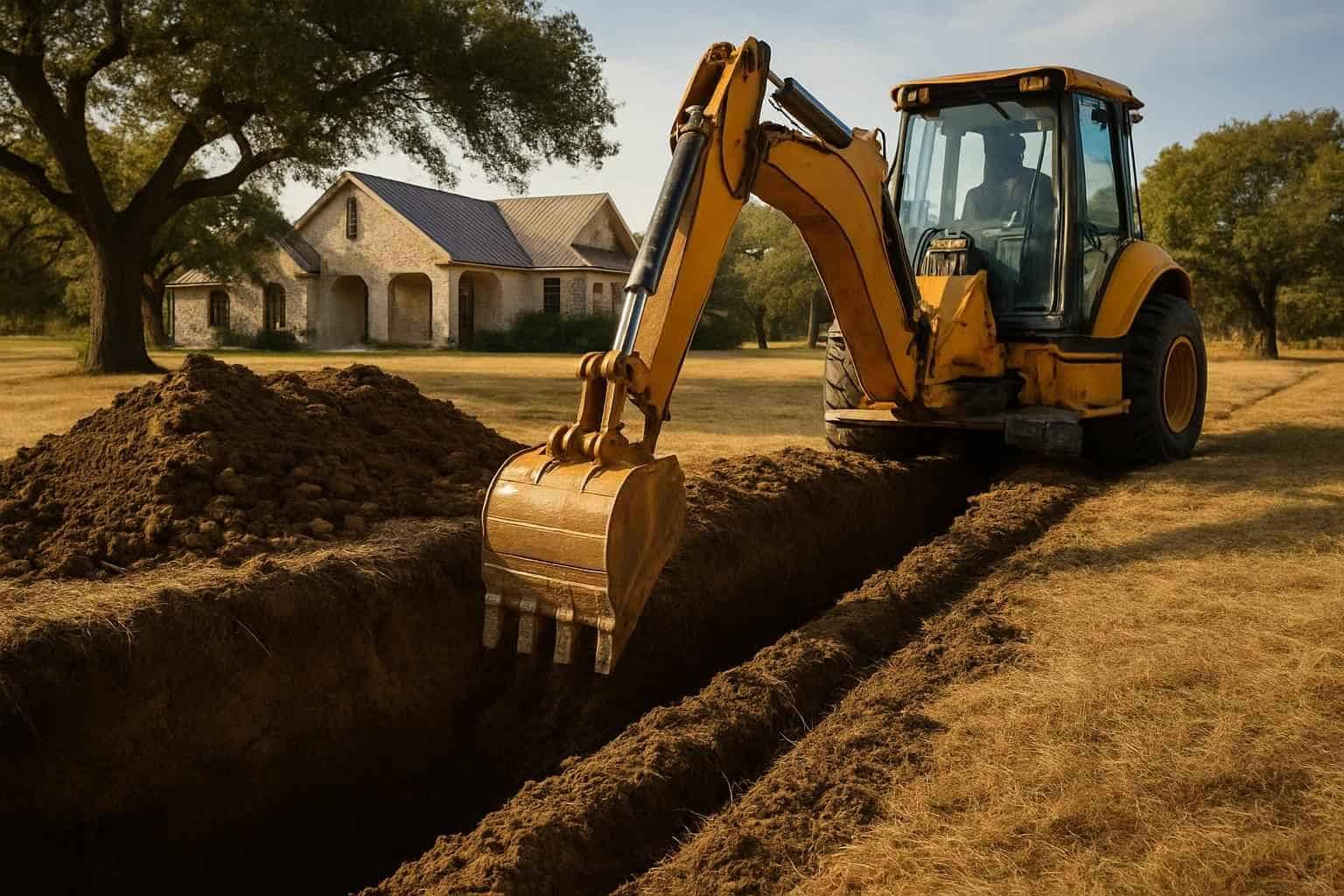
Construction projects around Fredericksburg can vary considerably in scale and complexity. A contractor may be preparing an undeveloped parcel for new construction, improving drainage around an existing property, installing underground utilities, or removing old structures before redevelopment begins. Despite these differences, many projects share one important equipment requirement: a machine capable of digging, lifting, clearing, and handling materials efficiently. Excavators have become essential across residential, commercial, utility, roadwork, and land development projects because they can perform numerous tasks with the right configuration. Contractors looking at Volvo excavators in Fredericksburg can consider machine size, digging requirements, available working space, terrain, and attachment compatibility before deciding what equipment is appropriate for a particular job. Clearing Land Before Construction Ground clearing is often one of the first stages of a construction or development project. Before grading or foundation work begins, crews may need to remove brush, small trees, roots, rocks, old materials, and other obstacles. Excavators can help contractors complete this preparation efficiently. Their digging power makes them useful for removing stubborn roots and buried materials that lighter equipment may struggle to handle. Attachments can further expand their usefulness depending on the type of vegetation or debris present. Fredericksburg includes established properties as well as areas experiencing continued residential and commercial development. This variety means clearing requirements can differ significantly from one project to another. Selecting equipment according to actual site conditions helps prevent unnecessary delays once work begins. Preparing And Grading Jobsites Once unwanted vegetation and materials have been removed, the ground usually requires additional preparation. Excavators can move soil, reshape uneven sections, create slopes, and prepare areas for subsequent construction activities. Proper site preparation is particularly important because conditions established during early earthwork can affect later stages of construction. Poorly managed soil or uneven surfaces can complicate foundation installation, drainage, paving, and landscaping. Operators can use excavators to redistribute material around a property rather than relying entirely on separate machines for every task. This versatility can be valuable on projects where equipment space is limited or where crews need to complete several types of earthwork. Digging Foundations And Footings Residential additions, commercial buildings, retaining walls, and other structures often require excavation before concrete or structural work can begin. Excavators allow crews to remove significant quantities of soil while maintaining control over digging depth and location. Machine size becomes especially important for this type of work. Large excavators provide substantial digging capacity for major projects, while compact machines may be more suitable around existing buildings or restricted access points. Contractors should evaluate available space before bringing equipment onto a property. Swing radius, access width, overhead obstacles, underground services, and nearby structures can all influence equipment selection. Creating Utility Trenches Trenching is another common excavator application across Fredericksburg jobsites. Water lines, electrical systems, telecommunications infrastructure, sewer connections, and drainage pipes frequently need carefully prepared trenches. Excavators equipped with appropriately sized buckets can create trenches according to project specifications. Their reach also allows operators to remove soil and place it beside the excavation for later backfilling when conditions permit. Accuracy matters during trenching because excessive excavation can increase material handling and restoration requirements. Operators must also account for existing underground infrastructure and follow applicable utility locating and excavation safety procedures before digging. Supporting Drainage Improvements Managing water is an important consideration for many properties. Poor drainage can contribute to erosion, standing water, unstable soil, and problems around structures. Excavators may be used to create drainage channels, prepare areas for underground drainage systems, reshape slopes, or dig retention and water management features. Because drainage projects depend heavily on elevation and water flow, careful excavation can help establish the required grades. After drainage components are installed, the same excavator may assist with backfilling and restoring the surrounding ground. Handling Demolition And Site Cleanup Excavators are not limited to digging soil. Depending on machine specifications and attachments, they can also assist with selected demolition and cleanup activities. Removing old concrete, loading construction debris, dismantling certain structures, and sorting materials are examples of tasks excavators may perform. Attachments such as hydraulic breakers and grapples can make machines more adaptable to specialized work. This versatility can reduce the need to bring multiple pieces of equipment onto a site for individual tasks. Loading And Moving Materials Excavated soil eventually needs somewhere to go. Excavators can load dirt, gravel, broken concrete, and other materials into trucks or reposition them around a jobsite. Efficient loading is particularly useful during projects generating substantial amounts of excavated material. Coordinating excavator capacity with truck availability can help maintain steady workflow and prevent piles of material from obstructing active work areas. Matching The Excavator To The Fredericksburg Jobsite No single excavator configuration is ideal for every project. Compact equipment can offer maneuverability on residential properties, while larger machines provide the reach, digging depth, and capacity required for demanding earthmoving operations. Contractors should consider ground conditions, project duration, digging depth, lifting requirements, access limitations, attachments, and expected material volumes when selecting equipment. From initial ground clearing and foundation preparation to drainage work, material handling, and trenching, excavators can contribute throughout multiple stages of a project. Choosing equipment based on Fredericksburg jobsite conditions allows crews to use that versatility effectively while keeping construction work organized and productive. OliverOliver is a passionate writer and blogger, primarily focusing on business growth and management. With a keen interest in exploring the dynamics of entrepreneurship, Oliver delves into topics ranging from innovative strategies to leadership insights. Alongside his professional pursuits, he nurtures a love for travel, especially in search of culinary adventures. Through his writing, Mark aims to inspire and inform readers, sharing valuable insights into the worlds of business and gastronomy. www.bhumi-jankari.com

Building Emotional Flexibility When Things Don’t Go As Expected

Building Emotional Flexibility When Things Don't Go As Expected

Rarely does life go according to a well-planned schedule. Financial priorities may alter, a friendship may change, a career opportunity may abruptly evaporate, or a well-planned personal objective may take longer than anticipated. Although disappointment is a normal reaction to these circumstances, the capacity to make emotional adjustments might affect the course of events. Finding a silver lining in every failure or disregarding displeasure are not examples of emotional flexibility. It entails acknowledging your emotions, comprehending the demands of the circumstance, and selecting a course of action that facilitates your progress. Without expecting life to become predictable, mastering this skill may help make uncertainty seem more bearable. Letting Expectations Shift People inevitably have expectations for their families, occupations, relationships, and personal achievements. These expectations provide guidance, but when someone feels that there is just one acceptable result, they may also become emotionally constrictive. Separating the initial objective from the particular route used to achieve it might be helpful when conditions change. For instance, even when the anticipated path is no longer accessible, someone who loses out on a professional chance may still appreciate career growth. You don’t have to give up on your destination in order to change the path. While understanding that abandoning the initial plan might still be unpleasant, emotional flexibility allows for new choices. Determining What You Can Actually Control People are often prompted to concentrate on unanswered issues by unexpected circumstances. What caused this to occur? If a different choice had been taken, what could have happened? What would have happened if everything had gone as planned? While reflection may be helpful, going over situations that are unchangeable over and over again can drain emotional energy without yielding a workable solution. Finding what is still within one’s control is a more flexible strategy. A choice made by someone else, a change in the organization, or an unforeseen delay may be beyond your control, but you often have influence over how you communicate, where you focus your attention, and what you do next. Behavioral health counseling in Denver may provide a controlled setting for analyzing reactions to uncertainty and creating workable solutions for circumstances that do not go as planned for those who find this distinction challenging. Increasing Your Vocabulary Of Emotions Accurate identification of emotions facilitates emotional flexibility. Saying “I feel bad” doesn’t reveal anything. In reality, disappointment, shame, concern, anger, loneliness, or ambiguity might be the underlying feeling. The next stage may become apparent with more accurate emotional awareness. While anxiety may need greater preparation and grounding, disappointment may necessitate modifying expectations. Instead of being a distraction, loneliness could be a sign of a yearning for connection. This awareness may be strengthened by checking in with yourself on a regular basis. An important gap between an emotion and a reaction may be created by just acknowledging the emotion before responding. Preventing Interpretations Of All Or Nothing Extreme conclusions may sometimes result from plans going awry. A single failed interview serves as proof of a failed career. A quarrel seems to be evidence of a failing relationship. Months of progress are called into doubt when a personal goal is missed. This tendency is challenged by emotional flexibility, which permits many truths to coexist simultaneously. It’s possible for anything to be disappointing without being catastrophic. Errors may have an impact without characterizing a person. It is possible for progress to momentarily slow down without ceasing. This more impartial viewpoint prevents transient issues from turning into long-lasting conclusions. Developing A Greater Variety Of Coping Mechanisms Using a single coping mechanism might make handling unforeseen situations more difficult. Different reactions are needed in different circumstances. Taking action may be beneficial at times. In other situations, it could be better to take a nap, chat to someone, work out, write down your ideas, spend time outside, or temporarily put an issue aside. The objective is to create a variety of healthy coping mechanisms rather than to choose the ideal one. Having a variety of options makes it simpler to make decisions based on the circumstances rather than responding instinctively. Proceeding Without Requiring Confidence Learning to take action before all questions have been addressed is one of the most beneficial aspects of emotional flexibility. Because many significant choices contain some degree of uncertainty, waiting for total clarity may make individuals feel trapped. Rather than instantly developing a whole new life plan, moving ahead can only include selecting the next sensible course of action. Everyday events progressively foster the development of emotional flexibility. Every unforeseen shift provides a chance to practice identifying feelings, reevaluating expectations, and reacting purposefully. Even while life will continue to throw off well-thought-out plans, being more flexible may help you deal with these disruptions and provide space for new paths that weren’t originally planned.  OliverOliver is a passionate writer and blogger, primarily focusing on business growth and management. With a keen interest in exploring the dynamics of entrepreneurship, Oliver delves into topics ranging from innovative strategies to leadership insights. Alongside his professional pursuits, he nurtures a love for travel, especially in search of culinary adventures. Through his writing, Mark aims to inspire and inform readers, sharing valuable insights into the worlds of business and gastronomy. www.bhumi-jankari.com

Small Cooking Mistakes That Can Ruin An Otherwise Great Baked Potato

Small Cooking Mistakes That Can Ruin An Otherwise Great Baked Potato

One of the easiest things to make appears to be a baked potato. After washing a potato, put it in the oven, wait for it to cook, and then top it with your preferred ingredients. However, little things often make the difference between a mediocre potato and one that is very fulfilling. A well-baked potato should have a light, fluffy middle that is ready to absorb cheese, butter, herbs, or other toppings, and a crisp outside. Even when using a dependable baked potato recipe, a few apparently little cooking errors may impact the texture, flavor, and quality of the dish. It is much simpler to consistently produce solid outcomes when you are aware of these typical mistakes. Selecting The Incorrect Kind Of Potato When baked, not all potatoes react in the same manner. Certain types are good for recipes where potatoes must maintain their form because they have a naturally waxy texture and keep more moisture. However, a potato with more starch is usually a superior option for baking. The soft, fluffy interior that people usually associate with a traditional baked potato is produced by starchy potatoes. You have a much better foundation before the potato even goes into the oven if you start with the correct type. Ignoring The Need To Dry The Skin Potatoes should be cleaned before cooking, particularly because the peel is often consumed. Putting them in the oven when they are still obviously moist is a mistake. The formation of crisp skin may be hampered by excessive surface dampness. Use a fresh kitchen towel to completely dry the potatoes after they have been cleaned and lightly scrubbed. The final texture may be significantly altered by this little step. Covering The Potato With Foil Potatoes cook differently when wrapped in foil, despite the fact that it may seem like a practical technique to keep them wet. The potato’s skin may become mushy rather than crisp as a result of the foil trapping steam around it. Baking the potato uncovered improves the circulation of heat around it if crispy skin is the desired result. When cooking, a little layer of oil may also help the outside become delightfully crisp. Ignoring The Outside Seasoning Many people only pay attention to the contents of the potato, forgetting that the skin may also provide flavor. An opportunity may be lost if the outside is left entirely unseasoned. The flavor and texture of the potato may be enhanced by gently oiling the skin and adding a little salt after it has dried. This is especially helpful if you want to consume the skin instead of leaving it on the dish. Using The Incorrect Oven Temperature The final texture is significantly influenced by temperature. An oven that is excessively cold might prolong cooking without creating the desired appearance. On the other hand, if the heat is too high, the surface may cook quickly before the middle achieves the right consistency. A decent recipe for baked potatoes should provide the right cooking temperature and technique. It’s equally crucial to adequately preheat the oven. Cooking times might become unpredictable when potatoes are placed in an oven that is still warming up. Failing To Verify The Center’s Completion You can’t always determine when a potato is ready just by looking at it. While the center is still solid, the skin may seem to be perfectly cooked. Before serving, verify the texture rather than depending only on cooking time. There should be little resistance when a fork or tiny knife is inserted into the middle. Additionally, when the potato is lightly pushed with the proper heat protection, it should feel soft. Sitting The Potato For Too Long After the potato is taken out of the oven, timing is also important. A completely cooked potato’s texture may be impacted by retained steam if it is left unattended for a long time. Steam may be released by opening the potato soon after roasting. Carefully cutting it and using a fork to gently fluff the interior gives it a lighter texture and gets the surface ready for toppings. Correcting The Basic Details You don’t need complex methods to make delicious roasted potatoes. Making a few little choices right is typically the key to success. The outcome may be enhanced by selecting an appropriate potato, drying the skin, eliminating needless foil, utilizing the proper temperature, verifying doneness, and serving straight away. Pay attention to these frequently missed aspects the next time you follow a baked potato recipe. An unremarkable side dish may be transformed into a crisp, fluffy, and filling portion of the dinner by avoiding a few easy blunders. OliverOliver is a passionate writer and blogger, primarily focusing on business growth and management. With a keen interest in exploring the dynamics of entrepreneurship, Oliver delves into topics ranging from innovative strategies to leadership insights. Alongside his professional pursuits, he nurtures a love for travel, especially in search of culinary adventures. Through his writing, Mark aims to inspire and inform readers, sharing valuable insights into the worlds of business and gastronomy. www.bhumi-jankari.com

Hello world!

Welcome to WordPress. This is your first post. Edit or delete it, then start writing! OliverOliver is a passionate writer and blogger, primarily focusing on business growth and management. With a keen interest in exploring the dynamics of entrepreneurship, Oliver delves into topics ranging from innovative strategies to leadership insights. Alongside his professional pursuits, he nurtures a love for travel, especially in search of culinary adventures. Through his writing, Mark aims to inspire and inform readers, sharing valuable insights into the worlds of business and gastronomy. www.bhumi-jankari.com