
Ground Clearing To Trenching: Excavator Uses Across Fredericksburg Jobsites
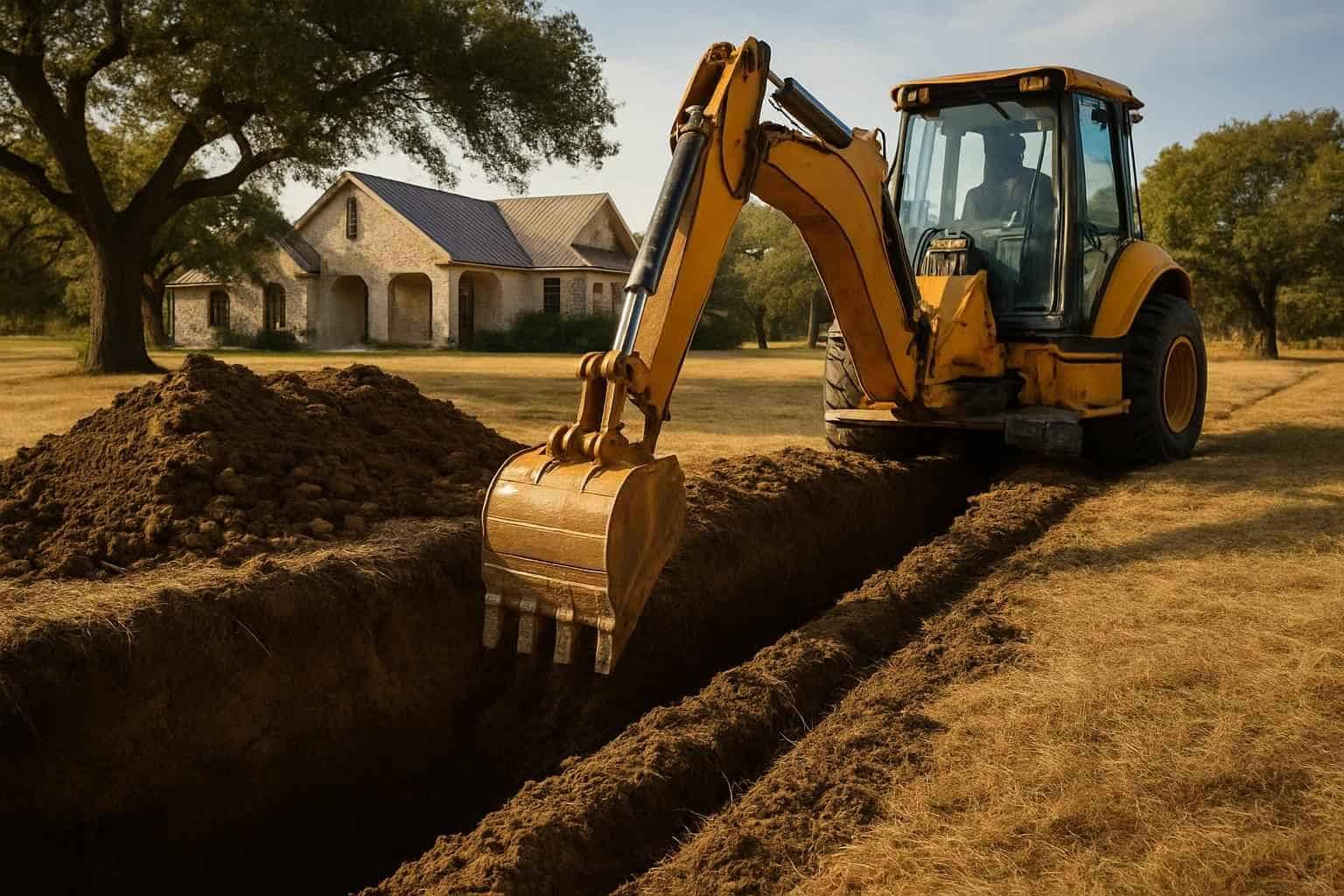
Construction projects around Fredericksburg can vary considerably in scale and complexity. A contractor may be preparing an undeveloped parcel for new construction, improving drainage around an existing property, installing underground utilities, or removing old structures before redevelopment begins. Despite these differences, many projects share one important equipment requirement: a machine capable of digging, lifting, clearing, and handling materials efficiently. Excavators have become essential across residential, commercial, utility, roadwork, and land development projects because they can perform numerous tasks with the right configuration. Contractors looking at Volvo excavators in Fredericksburg can consider machine size, digging requirements, available working space, terrain, and attachment compatibility before deciding what equipment is appropriate for a particular job. Clearing Land Before Construction Ground clearing is often one of the first stages of a construction or development project. Before grading or foundation work begins, crews may need to remove brush, small trees, roots, rocks, old materials, and other obstacles. Excavators can help contractors complete this preparation efficiently. Their digging power makes them useful for removing stubborn roots and buried materials that lighter equipment may struggle to handle. Attachments can further expand their usefulness depending on the type of vegetation or debris present. Fredericksburg includes established properties as well as areas experiencing continued residential and commercial development. This variety means clearing requirements can differ significantly from one project to another. Selecting equipment according to actual site conditions helps prevent unnecessary delays once work begins. Preparing And Grading Jobsites Once unwanted vegetation and materials have been removed, the ground usually requires additional preparation. Excavators can move soil, reshape uneven sections, create slopes, and prepare areas for subsequent construction activities. Proper site preparation is particularly important because conditions established during early earthwork can affect later stages of construction. Poorly managed soil or uneven surfaces can complicate foundation installation, drainage, paving, and landscaping. Operators can use excavators to redistribute material around a property rather than relying entirely on separate machines for every task. This versatility can be valuable on projects where equipment space is limited or where crews need to complete several types of earthwork. Digging Foundations And Footings Residential additions, commercial buildings, retaining walls, and other structures often require excavation before concrete or structural work can begin. Excavators allow crews to remove significant quantities of soil while maintaining control over digging depth and location. Machine size becomes especially important for this type of work. Large excavators provide substantial digging capacity for major projects, while compact machines may be more suitable around existing buildings or restricted access points. Contractors should evaluate available space before bringing equipment onto a property. Swing radius, access width, overhead obstacles, underground services, and nearby structures can all influence equipment selection. Creating Utility Trenches Trenching is another common excavator application across Fredericksburg jobsites. Water lines, electrical systems, telecommunications infrastructure, sewer connections, and drainage pipes frequently need carefully prepared trenches. Excavators equipped with appropriately sized buckets can create trenches according to project specifications. Their reach also allows operators to remove soil and place it beside the excavation for later backfilling when conditions permit. Accuracy matters during trenching because excessive excavation can increase material handling and restoration requirements. Operators must also account for existing underground infrastructure and follow applicable utility locating and excavation safety procedures before digging. Supporting Drainage Improvements Managing water is an important consideration for many properties. Poor drainage can contribute to erosion, standing water, unstable soil, and problems around structures. Excavators may be used to create drainage channels, prepare areas for underground drainage systems, reshape slopes, or dig retention and water management features. Because drainage projects depend heavily on elevation and water flow, careful excavation can help establish the required grades. After drainage components are installed, the same excavator may assist with backfilling and restoring the surrounding ground. Handling Demolition And Site Cleanup Excavators are not limited to digging soil. Depending on machine specifications and attachments, they can also assist with selected demolition and cleanup activities. Removing old concrete, loading construction debris, dismantling certain structures, and sorting materials are examples of tasks excavators may perform. Attachments such as hydraulic breakers and grapples can make machines more adaptable to specialized work. This versatility can reduce the need to bring multiple pieces of equipment onto a site for individual tasks. Loading And Moving Materials Excavated soil eventually needs somewhere to go. Excavators can load dirt, gravel, broken concrete, and other materials into trucks or reposition them around a jobsite. Efficient loading is particularly useful during projects generating substantial amounts of excavated material. Coordinating excavator capacity with truck availability can help maintain steady workflow and prevent piles of material from obstructing active work areas. Matching The Excavator To The Fredericksburg Jobsite No single excavator configuration is ideal for every project. Compact equipment can offer maneuverability on residential properties, while larger machines provide the reach, digging depth, and capacity required for demanding earthmoving operations. Contractors should consider ground conditions, project duration, digging depth, lifting requirements, access limitations, attachments, and expected material volumes when selecting equipment. From initial ground clearing and foundation preparation to drainage work, material handling, and trenching, excavators can contribute throughout multiple stages of a project. Choosing equipment based on Fredericksburg jobsite conditions allows crews to use that versatility effectively while keeping construction work organized and productive. OliverOliver is a passionate writer and blogger, primarily focusing on business growth and management. With a keen interest in exploring the dynamics of entrepreneurship, Oliver delves into topics ranging from innovative strategies to leadership insights. Alongside his professional pursuits, he nurtures a love for travel, especially in search of culinary adventures. Through his writing, Mark aims to inspire and inform readers, sharing valuable insights into the worlds of business and gastronomy. www.bhumi-jankari.com