Getting Forestry Companies Ready For Larger Projects With The Correct Tools
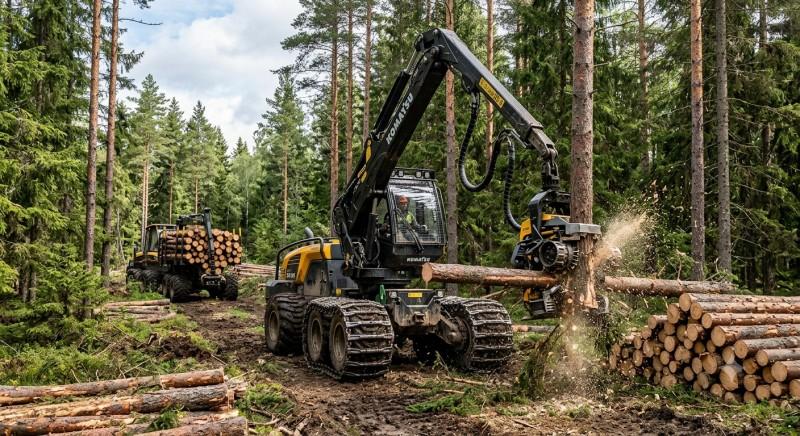
The forestry sector is crucial for sustaining natural resources, delivering raw materials, and assisting with land management. Forestry companies must be ready to take on bigger and more complicated projects as demand for wood, land clearing, and forest care services rises. It takes more than just recruiting more employees or taking on larger contracts to expand operations. It entails making investments in dependable equipment, enhancing operational effectiveness, and creating long-term growth-promoting plans. Businesses may get machinery appropriate for harsh regions by collaborating with a seasoned forestry equipment supplier. The proper equipment enables forestry businesses to navigate difficult terrain, boost production, and finish projects while upholding safety and quality requirements, from material handling to wood harvesting. Recognizing The Equipment Requirements For Bigger Forestry Projects Depending on the geography, vegetation density, weather, and project objectives, each forestry project has unique operating obstacles. While bigger projects sometimes need specialized equipment that can effectively handle many jobs, smaller operations could depend on simpler apparatus. Before taking on bigger contracts, forestry companies should assess their current equipment. Important factors to take into account include equipment capacity, operational hours, maintenance history, and anticipated workload. When handling larger materials or consistently running across large regions, machines that work effectively on smaller sites may have trouble. Early detection of these constraints enables companies to make well-informed equipment purchases and prevent unforeseen disruptions during crucial project phases. Purchasing Equipment To Promote Increased Productivity As forestry operations grow, productivity becomes more crucial. Greater material quantities, longer operational hours, and more stringent deadlines are all part of larger projects. Businesses may ensure constant performance by using equipment built for demanding tasks. Harvesters, forwarders, skidders, loaders, and excavators are examples of equipment that supports various forestry operation phases. While forwarders move logs between forest locations, harvesters help chop and process trees. Loaders make material handling easier, while skidders transport harvested wood toward collection areas. Reducing needless movement and increasing workflow efficiency may be achieved by choosing equipment with appropriate power, lifting capacity, and operational characteristics. Instead of buying machinery based just on size or horsepower, businesses should give priority to equipment that meets their real project needs. Handling Difficult Terrain And Operational Conditions Forestry activities sometimes occur in settings that may be difficult for traditional construction equipment to operate in. Difficulties that call for specialist equipment include uneven terrain, steep slopes, muddy surfaces, and thick vegetation. Forestry-specific machinery often has traction systems that are appropriate for challenging terrain, protection structures, and strengthened parts. These characteristics may lessen equipment damage during strenuous activities and increase operational stability. Businesses should evaluate soil conditions, environmental constraints, and site accessibility before starting a large project. Selecting equipment that can withstand these circumstances promotes safer operations and lessens the possibility of expensive delays. Maintaining Equipment To Cut Down On Downtime Large forestry operations may be severely impacted by unplanned equipment failures. Failures of equipment may cause delays in shipping, disrupt wood harvesting, and raise operational costs. Therefore, preventive maintenance is crucial for companies getting ready to grow. Potential issues may be found before they become severe with the use of routine inspections, hydraulic system checks, lubrication, filter replacement, and undercarriage maintenance. Access to replacement parts, technical advice, and equipment service resources may also be obtained by collaborating with a reputable forestry equipment supplier. Businesses can sustain production and keep equipment running throughout challenging projects with the aid of dependable maintenance support. Enhancing Equipment Handling And Workforce Safety Maintaining job safety is harder when forestry operations get bigger. Hazards that need to be carefully managed include heavy equipment, fallen trees, shifting lumber, and challenging terrain. Companies should make sure operators are aware of the limits of the machinery, emergency protocols, and safe work practices by offering equipment-specific training. Enhanced operator visibility, protected cabins, monitoring systems, and ergonomic controls are examples of modern forestry equipment. Modern equipment, however, cannot take the place of adequate supervision and training. Reducing operating risks and fostering a more self-assured staff are two benefits of combining appropriate equipment with proven safety protocols. Making Long-Term Growth Plans For Equipment Investments Careful financial planning is necessary when expanding forestry businesses. Since buying equipment is a significant investment, it’s essential to consider possible returns, operating costs, maintenance costs, and anticipated usage. Based on project frequency and financial resources, businesses should evaluate their alternatives for buying, leasing, and renting. While renting specialized gear might provide flexibility for sporadic tasks, purchasing equipment can be more appropriate for businesses with steady workloads. Businesses may examine existing gear and find solutions that support both current contracts and future growth with the assistance of a reputable forestry equipment supplier. Conclusion Larger forestry operations need a mix of dependable equipment, knowledgeable workers, efficient maintenance, and careful budgetary planning. Companies are better equipped to manage high workloads and shifting project requirements when they assess their equipment needs before growing. Purchasing appropriate forestry equipment increases productivity, promotes worker safety, and opens doors for long-term company expansion. Forestry firms may easily take on larger projects while maintaining productivity and service quality if they have the appropriate machinery and reliable equipment support. OliverOliver is a passionate writer and blogger, primarily focusing on business growth and management. With a keen interest in exploring the dynamics of entrepreneurship, Oliver delves into topics ranging from innovative strategies to leadership insights. Alongside his professional pursuits, he nurtures a love for travel, especially in search of culinary adventures. Through his writing, Mark aims to inspire and inform readers, sharing valuable insights into the worlds of business and gastronomy. www.bhumi-jankari.com