
Small Cooking Mistakes That Can Ruin An Otherwise Great Baked Potato
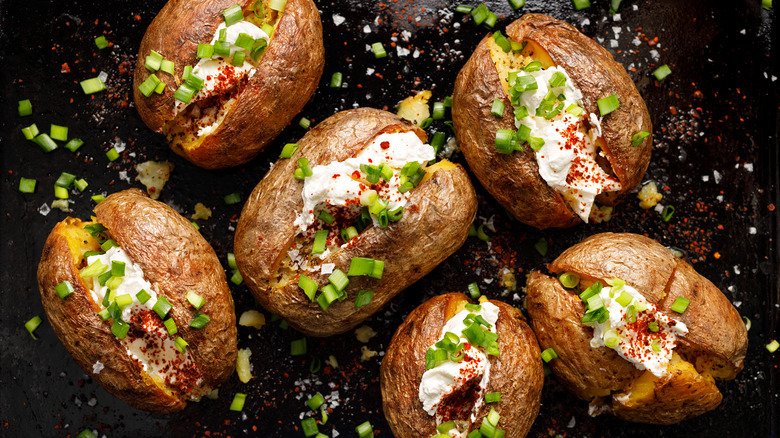
One of the easiest things to make appears to be a baked potato. After washing a potato, put it in the oven, wait for it to cook, and then top it with your preferred ingredients. However, little things often make the difference between a mediocre potato and one that is very fulfilling. A well-baked potato should have a light, fluffy middle that is ready to absorb cheese, butter, herbs, or other toppings, and a crisp outside. Even when using a dependable baked potato recipe, a few apparently little cooking errors may impact the texture, flavor, and quality of the dish. It is much simpler to consistently produce solid outcomes when you are aware of these typical mistakes. Selecting The Incorrect Kind Of Potato When baked, not all potatoes react in the same manner. Certain types are good for recipes where potatoes must maintain their form because they have a naturally waxy texture and keep more moisture. However, a potato with more starch is usually a superior option for baking. The soft, fluffy interior that people usually associate with a traditional baked potato is produced by starchy potatoes. You have a much better foundation before the potato even goes into the oven if you start with the correct type. Ignoring The Need To Dry The Skin Potatoes should be cleaned before cooking, particularly because the peel is often consumed. Putting them in the oven when they are still obviously moist is a mistake. The formation of crisp skin may be hampered by excessive surface dampness. Use a fresh kitchen towel to completely dry the potatoes after they have been cleaned and lightly scrubbed. The final texture may be significantly altered by this little step. Covering The Potato With Foil Potatoes cook differently when wrapped in foil, despite the fact that it may seem like a practical technique to keep them wet. The potato’s skin may become mushy rather than crisp as a result of the foil trapping steam around it. Baking the potato uncovered improves the circulation of heat around it if crispy skin is the desired result. When cooking, a little layer of oil may also help the outside become delightfully crisp. Ignoring The Outside Seasoning Many people only pay attention to the contents of the potato, forgetting that the skin may also provide flavor. An opportunity may be lost if the outside is left entirely unseasoned. The flavor and texture of the potato may be enhanced by gently oiling the skin and adding a little salt after it has dried. This is especially helpful if you want to consume the skin instead of leaving it on the dish. Using The Incorrect Oven Temperature The final texture is significantly influenced by temperature. An oven that is excessively cold might prolong cooking without creating the desired appearance. On the other hand, if the heat is too high, the surface may cook quickly before the middle achieves the right consistency. A decent recipe for baked potatoes should provide the right cooking temperature and technique. It’s equally crucial to adequately preheat the oven. Cooking times might become unpredictable when potatoes are placed in an oven that is still warming up. Failing To Verify The Center’s Completion You can’t always determine when a potato is ready just by looking at it. While the center is still solid, the skin may seem to be perfectly cooked. Before serving, verify the texture rather than depending only on cooking time. There should be little resistance when a fork or tiny knife is inserted into the middle. Additionally, when the potato is lightly pushed with the proper heat protection, it should feel soft. Sitting The Potato For Too Long After the potato is taken out of the oven, timing is also important. A completely cooked potato’s texture may be impacted by retained steam if it is left unattended for a long time. Steam may be released by opening the potato soon after roasting. Carefully cutting it and using a fork to gently fluff the interior gives it a lighter texture and gets the surface ready for toppings. Correcting The Basic Details You don’t need complex methods to make delicious roasted potatoes. Making a few little choices right is typically the key to success. The outcome may be enhanced by selecting an appropriate potato, drying the skin, eliminating needless foil, utilizing the proper temperature, verifying doneness, and serving straight away. Pay attention to these frequently missed aspects the next time you follow a baked potato recipe. An unremarkable side dish may be transformed into a crisp, fluffy, and filling portion of the dinner by avoiding a few easy blunders. OliverOliver is a passionate writer and blogger, primarily focusing on business growth and management. With a keen interest in exploring the dynamics of entrepreneurship, Oliver delves into topics ranging from innovative strategies to leadership insights. Alongside his professional pursuits, he nurtures a love for travel, especially in search of culinary adventures. Through his writing, Mark aims to inspire and inform readers, sharing valuable insights into the worlds of business and gastronomy. www.bhumi-jankari.com